
توضیحات
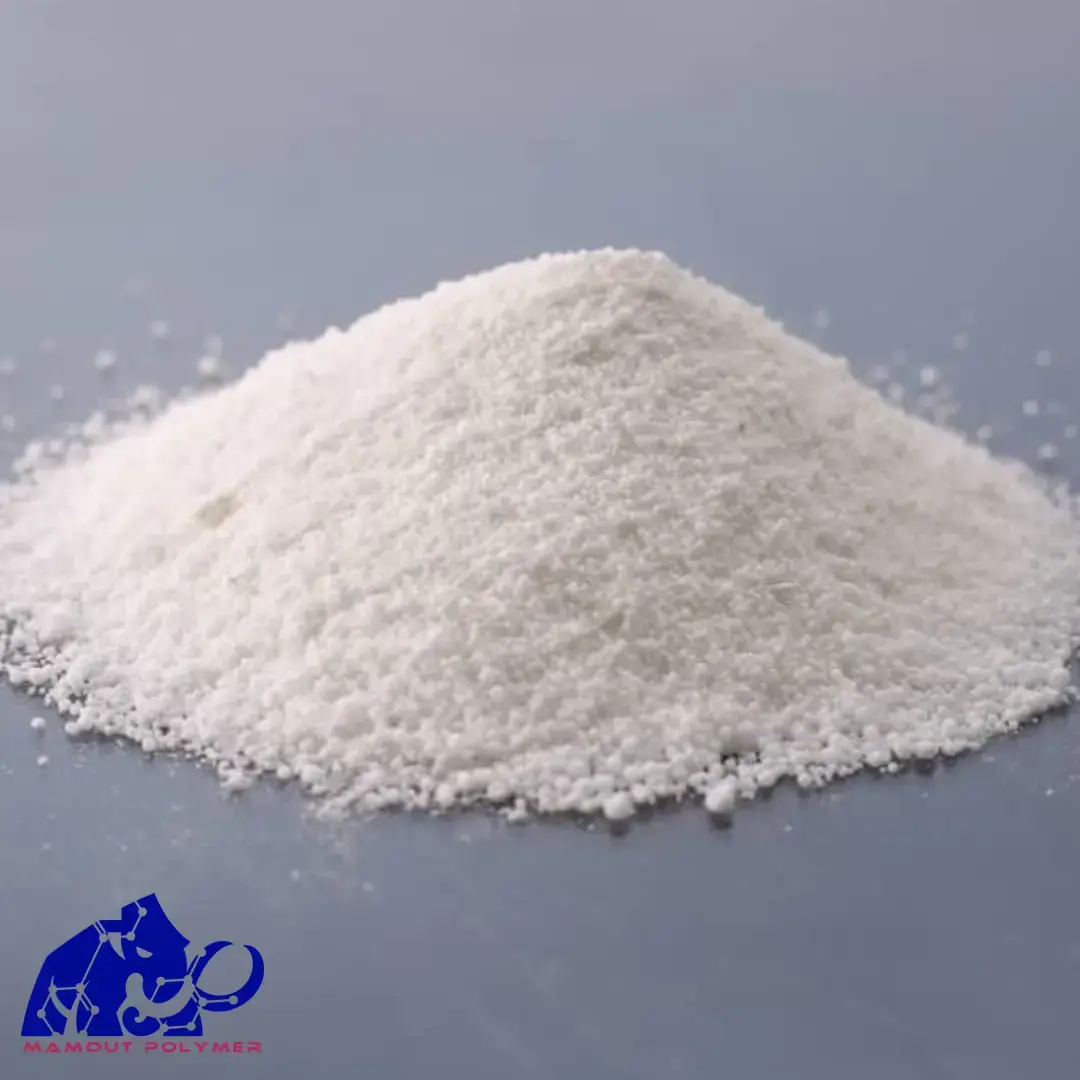
پایدارکنندههای حرارتی یکی از مهمترین افزودنیها در صنعت پلاستیک و پلیمرها هستند که به منظور افزایش مقاومت پلیمرها در برابر حرارت و جلوگیری از تخریب حرارتی مورد استفاده قرار میگیرند. این مواد نقش بسیار مهمی در حفظ خواص فیزیکی، مکانیکی و شیمیایی پلیمرها در فرآیندهای تولید و کاربردهای نهایی ایفا میکنند.
تعریف و اهمیت پایدارکنندههای حرارتی
در فرآیند تولید و استفاده از پلیمرها، افزایش دما میتواند باعث تخریب زنجیرههای پلیمری، تغییر رنگ، کاهش استحکام و افزایش شکنندگی مواد شود. به همین دلیل، استفاده از افزودنیهایی که بتوانند این تخریب را کاهش داده یا به تأخیر بیندازند بسیار ضروری است. این افزودنیها به نام پایدارکنندههای حرارتی شناخته میشوند.
مکانیزم عملکرد پایدارکنندههای حرارتی
پایدارکنندههای حرارتی با چند مکانیزم مختلف از تخریب حرارتی پلیمر جلوگیری میکنند:
- مهار رادیکالهای آزاد: در فرآیند تخریب حرارتی، رادیکالهای آزاد باعث شکستن زنجیرههای پلیمری میشوند. پایدارکنندهها این رادیکالها را خنثی میکنند.
- خنثیسازی اسیدها: در برخی پلیمرها، تخریب حرارتی منجر به تولید اسیدهایی میشود که به تسریع تخریب کمک میکنند. پایدارکنندهها این اسیدها را خنثی میکنند.
- حفاظت در برابر اکسیداسیون: در حضور اکسیژن و حرارت، پلیمرها اکسید میشوند. پایدارکنندهها از این واکنش جلوگیری میکنند.
- جذب یا انتقال حرارت: بعضی پایدارکنندهها با جذب حرارت اضافی، دمای موضعی پلیمر را کاهش میدهند.
انواع پایدارکنندههای حرارتی
- پایدارکنندههای فلزی:
- ترکیبات روی (Zn): برای مهار تخریب حرارتی در PVC و برخی پلیمرهای دیگر استفاده میشوند.
- ترکیبات کادمیوم و سرب: سابقاً استفاده میشدند ولی به دلیل سمیت بالا کمکم حذف شدهاند.
- ترکیبات منیزیم و کلسیم: جایگزینهای سازگارتر و غیرسمی برای پایدارکنندههای سنتی.
- آنتیاکسیدانها:
- ترکیبات فنولی: مانند بوتیل هیدروکسی تولوئن (BHT) که رادیکالهای آزاد را مهار میکنند.
- آمینهای آروماتیک: برای پایدارسازی پلیمرهای مهندسی.
- فسفیتها و فسفوناتها: به عنوان ترکیبات کمکی برای مهار اکسیداسیون.
- پایدارکنندههای ترکیبی:
- ترکیبی از آنتیاکسیدانها و پایدارکنندههای فلزی برای عملکرد بهتر.
کاربردهای پایدارکنندههای حرارتی
- صنعت پلاستیک: جلوگیری از تخریب حرارتی پلیمرها در فرآیندهایی مثل اکستروژن، تزریق، قالبگیری بادی و فیلمسازی.
- PVC: حفاظت ویژه در برابر دگرگونیهای حرارتی و اکسیداتیو.
- پلیاتیلن و پلیپروپیلن: افزایش عمر حرارتی و پایداری در برابر نور و حرارت.
- الاستومرها و پلیمرهای مهندسی: حفظ خواص مکانیکی و حرارتی در دماهای بالا.
- صنایع رنگ و پوشش: جلوگیری از تغییر رنگ و تخریب ترکیبات.
مزایا و اهمیت استفاده از پایدارکنندههای حرارتی
- افزایش عمر محصول: جلوگیری از تخریب و افزایش طول عمر قطعات و محصولات پلاستیکی.
- حفظ خواص مکانیکی: جلوگیری از کاهش مقاومت، انعطافپذیری و استحکام مواد.
- کاهش تغییر رنگ: جلوگیری از زرد شدن یا تیرگی محصولات در دماهای بالا.
- بهبود فرآیند تولید: کاهش مشکلات ناشی از تخریب پلیمر در حین تولید.
- صرفهجویی اقتصادی: کاهش ضایعات و نیاز کمتر به تعویض قطعات و محصولات.
نکات مهم در انتخاب پایدارکنندههای حرارتی
- سازگاری با نوع پلیمر: انتخاب پایدارکننده متناسب با نوع پلیمر پایه.
- دمای کاربرد: باید پایدارکنندهای انتخاب شود که در دمای مورد استفاده کارایی کافی داشته باشد.
- مقاومت در برابر عوامل محیطی: در صورت نیاز، پایدارکننده باید در برابر نور، رطوبت و مواد شیمیایی مقاوم باشد.
- ملاحظات زیستمحیطی: انتخاب پایدارکنندههایی که کمترین آسیب را به محیط زیست وارد کنند.
جمعبندی
پایدارکنندههای حرارتی نقش حیاتی در حفظ کیفیت و دوام پلیمرها ایفا میکنند. با جلوگیری از تخریب حرارتی و اکسیداتیو، این افزودنیها موجب افزایش عمر مفید محصولات پلاستیکی، حفظ ظاهر و خواص مکانیکی آنها میشوند و فرآیند تولید را بهینهتر و اقتصادیتر میکنند. انتخاب مناسب پایدارکننده حرارتی بسته به نوع پلیمر، شرایط فرآیند و کاربرد نهایی، از اهمیت بالایی برخوردار است.
نظرات (0)


Thermal stabilizers
توضیحات
Thermal stabilizers are one of the most important additives in the plastics and polymers industry, used to increase the resistance of polymers to heat and prevent thermal degradation. These materials play a very important role in maintaining the physical, mechanical and chemical properties of polymers in production processes and end applications.
Definition and importance of heat stabilizers
In the process of manufacturing and using polymers, increasing temperature can cause degradation of polymer chains, discoloration, loss of strength, and increased brittleness of the materials. For this reason, it is essential to use additives that can reduce or delay this degradation. These additives are known as thermal stabilizers.
Mechanism of action of thermal stabilizers
Thermal stabilizers prevent thermal degradation of polymers by several different mechanisms:
- Free radical inhibition: In the thermal degradation process, free radicals cause the polymer chains to break. Stabilizers neutralize these radicals.
- Neutralization of acids: In some polymers, thermal degradation leads to the production of acids that help accelerate degradation. Stabilizers neutralize these acids.
- Protection against oxidation: In the presence of oxygen and heat, polymers oxidize. Stabilizers prevent this reaction.
- Heat absorption or transfer: Some stabilizers reduce the local temperature of the polymer by absorbing excess heat.
Types of heat stabilizers
- Metal stabilizers:
- Zinc (Zn) compounds: Used to inhibit thermal degradation in PVC and some other polymers.
- Cadmium and lead compounds: They were used in the past, but have been gradually eliminated due to their high toxicity.
- Magnesium and calcium compounds: more compatible and non-toxic alternatives to traditional stabilizers.
- Antioxidants:
- Phenolic compounds: such as butylated hydroxytoluene (BHT), which scavenge free radicals.
- Aromatic amines: for stabilizing engineered polymers.
- Phosphites and phosphonates: as auxiliary compounds to inhibit oxidation.
- Combined stabilizers:
- A combination of antioxidants and metal stabilizers for better performance.
Applications of thermal stabilizers
- Plastics industry: Preventing thermal degradation of polymers in processes such as extrusion, injection, blow molding, and film making.
- PVC: Special protection against thermal and oxidative changes.
- Polyethylene and polypropylene: Increased thermal life and stability against light and heat.
- Elastomers and engineering polymers: maintaining mechanical and thermal properties at high temperatures.
- Paint and coating industries: Prevent discoloration and degradation of compounds.
Benefits and importance of using heat stabilizers
- Increase product life: Preventing damage and increasing the life of plastic parts and products.
- Maintaining mechanical properties: Preventing a decrease in the strength, flexibility, and toughness of materials.
- Reduce discoloration: Prevent products from yellowing or darkening at high temperatures.
- Improving the production process: Reducing problems caused by polymer degradation during production.
- Economic savings: Reduced waste and less need to replace parts and products.
Important points in choosing thermal stabilizers
- Compatibility with polymer type: Selecting a stabilizer that is appropriate for the type of base polymer.
- Application temperature: A stabilizer must be selected that is sufficiently effective at the temperature used.
- Resistance to environmental factors: If required, the stabilizer must be resistant to light, moisture, and chemicals.
- Environmental considerations: Choosing stabilizers that cause the least damage to the environment.
Conclusion
Thermal stabilizers play a vital role in maintaining the quality and durability of polymers. By preventing thermal and oxidative degradation, these additives extend the shelf life of plastic products, maintain their appearance and mechanical properties, and make the production process more efficient and economical. The selection of the appropriate thermal stabilizer is of great importance depending on the type of polymer, the process conditions, and the end use.
نظرات (0)
نقد و بررسیها
هنوز بررسیای ثبت نشده است.
نقد و بررسیها
هنوز بررسیای ثبت نشده است.