

Single Pigment Concentrate (SPC)
توضیحات
Single Pigment Concentrate (SPC)
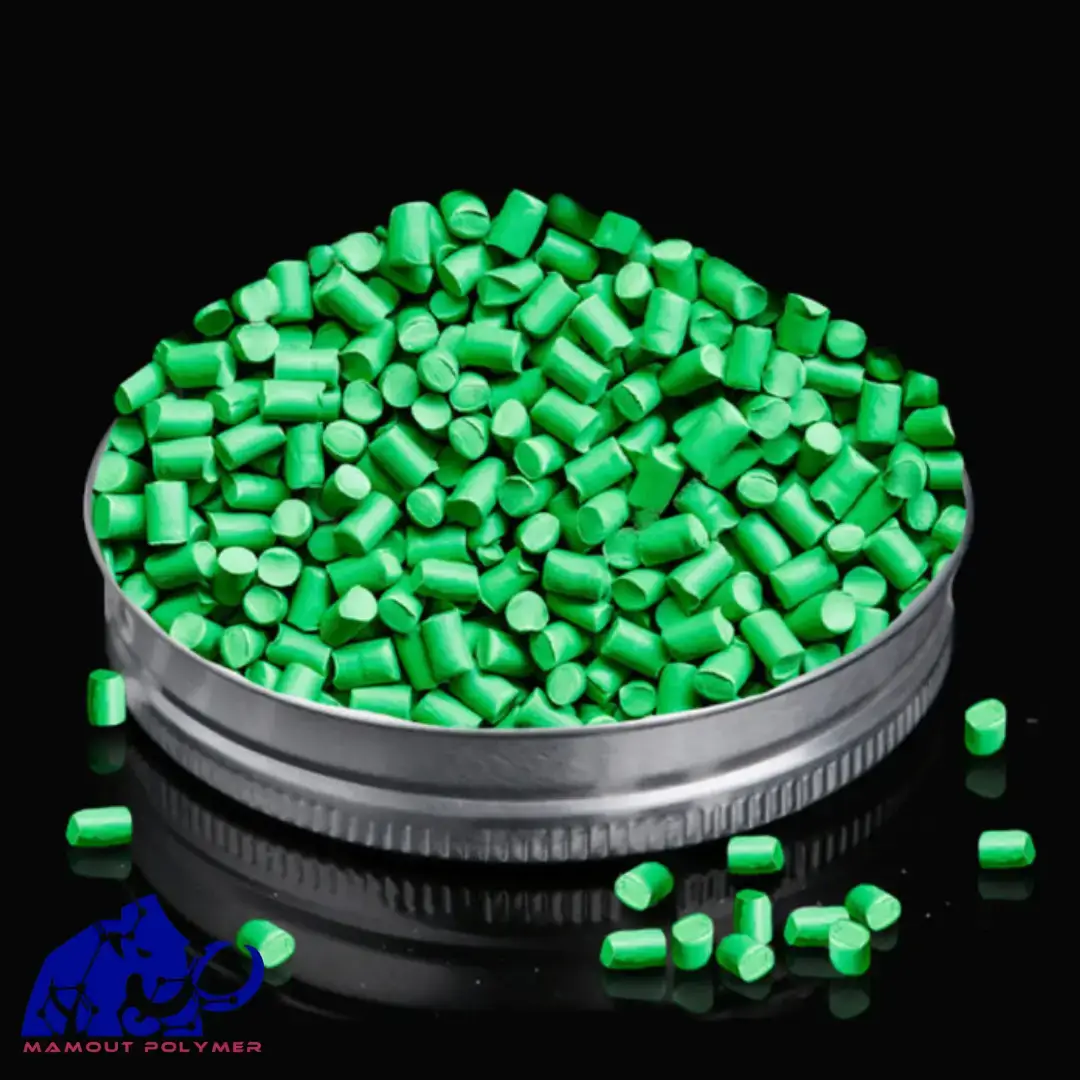
Single Pigment Concentrate (SPC) is a type of masterbatch or color additive that contains only one specific type of pigment at a very high percentage. These types of pigments are usually produced in the form of dense granules and are used in the production processes of plastics, paints, rubber, and related industries.
Definition and importance of SPC
In the paint and plastics industry, pigments are commonly used in two ways: either the pigment is added directly to the polymer as a raw powder or as a masterbatch (colored granules). A single pigment concentrate (SPC) is a type of masterbatch that contains only a specific pigment at a very high percentage and no other colorants or additives. This allows for precise color control, uniformity, and ease of adjustment of the final color compositions.
Single Pigment Concentrate (SPC) Properties
- High density: The pigments are very concentrated and present in a high percentage in a polymer matrix or other carrier.
- Uniform distribution: Designed to disperse pigment very evenly in the polymer or paint system.
- Ease of use: Easy to mix with other pigments or masterbatches to produce a variety of colors.
- Better quality control: Using a single pigment reduces color errors and gives us more precise control over the final color.
- Reduced pigment powder consumption: Due to the granular and pre-dispersed form, there is no need to add pigment in powdered and diluted form.
SPC applications
- Plastics industry: Used in the production of mixed color masterbatches, production of injection and extrusion parts.
- Color mixing: Combining base colors to produce specialized and custom colors.
- Rubber industry: Adding color to rubber products with high precision and uniformity.
- Printing and packaging: Production of printing inks and colored packaging films.
- Textile industries: Use in fiber and fabric dyeing processes.
Advantages of using Single Pigment Concentrate (SPC)
- Color stability: Pigments are firmly embedded in the matrix and have high resistance to environmental changes.
- Dust reduction: Unlike powdered pigments, SPCs are dust-free and provide a more hygienic working environment.
- Greater production efficiency: Shorter mixing time and faster dispersion in the polymer increase production speed.
- Formulation flexibility: Ability to easily combine with masterbatches and other additives to achieve custom colors.
Important points in using SPC
- Compatibility with the matrix: It must be ensured that the individual pigment is compatible with the type of polymer or carrier chosen.
- Particle size: The size of the pigment particles in SPC must be controlled to provide proper dispersion in the final product.
- Storage conditions: To maintain the quality of pigments, it is important to store them in appropriate temperature and humidity conditions.
- Mixing ratio: The percentage of SPC used in the final formulation must be adjusted accurately and in accordance with the desired color.
Conclusion
Single Pigment Concentrate (SPC) is an advanced and optimized solution for the use of pigments in the plastics, paint and rubber industries, which is considered a suitable alternative to powdered pigments and mixed masterbatches due to its high density, ease of application and better color control. The use of SPCs allows the production of high-quality colored products, excellent uniformity and better performance.
نظرات (0)
Shipping & Delivery


نقد و بررسیها
هنوز بررسیای ثبت نشده است.