


Masterbatch
توضیحات
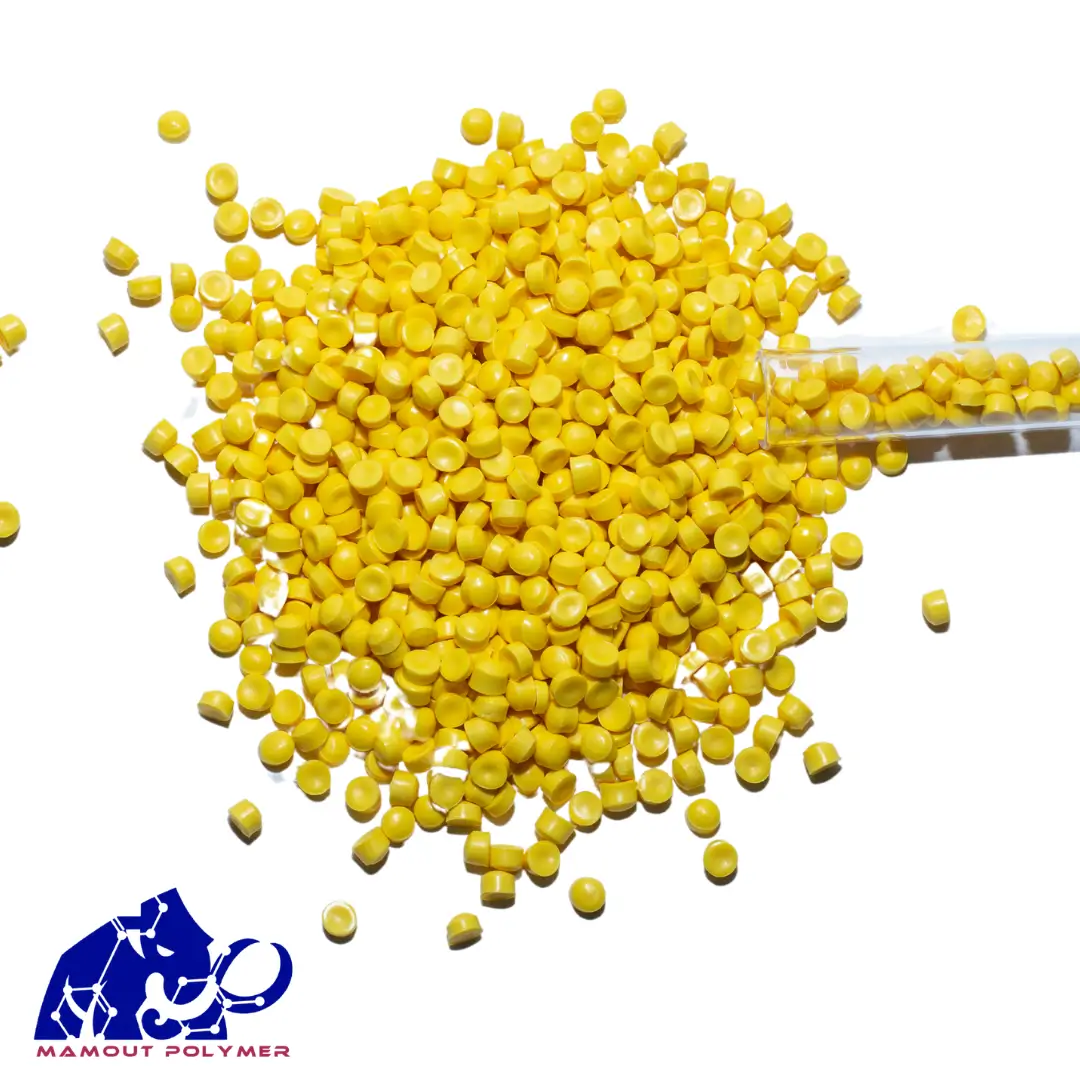
Masterbatch is a mixture of additives or pigments dissolved in a polymer base (usually polymers such as polyethylene or polypropylene). The mixture is prepared in the form of granules or powder and then used to add to other polymers. The use of masterbatches helps manufacturers to give specific properties to polymer products or to make desired changes in production processes.
Types of masterbatch
Masterbatches are usually divided into four main categories:
- Color Masterbatch: Color masterbatches are used to add color to polymer products. These compounds consist of pigments that are dissolved in a base polymer to give the final product the desired color. These masterbatches are very cost-effective because they allow manufacturers to achieve precise, uniform color across the product surface without having to add color separately to the production process.
- Additive Masterbatch: These types of masterbatches contain special additives that can change the physical or chemical properties of polymers. For example, they can provide properties such as UV resistance, antioxidant, antibacterial, flame retardant, antistatic, or plasticizer. These masterbatches can help enhance the durability and performance of polymer products.
- Compound Masterbatch: This type of masterbatch is a combination of additives and pigments. In fact, in this mixture, in addition to the color, there are various types of additives such as sunscreens, antioxidants, or other materials.
- Specialty Masterbatches: These types of masterbatches are produced for specific and unique applications. These compounds may be designed for specific industries or use in specific conditions, such as masterbatches used in the automotive, food packaging, or electronics industries.
Uses and benefits of masterbatch
Masterbatches are widely used in various industries, especially in the production of plastic and polymer products. Some of the applications and benefits of using masterbatches include:
- Precise control of material composition: By using a masterbatch, a precise percentage of colors or additives can be added to the final product, thus providing more precise control over the properties of the final product.
- Reducing production costs: Using masterbatches can reduce production costs. Instead of adding each additive or color separately to the polymer, masterbatches that contain these materials can be used.
- Ease of production process: By using masterbatches, production processes such as extrusion, injection molding, and other plasticization processes become simpler and more efficient.
- Increased stability and durability: Some masterbatches give polymers stability properties. For example, anti-UV masterbatches can prevent the polymer from degrading due to sunlight.
How to use Master Batch
Masterbatches are commonly added to plastic product manufacturing processes in two main ways:
- Extrusion: In this method, masterbatches are added to molten polymer materials. These molten materials are then passed through various dies and formed into their final shape.
- Injection molding: In this method, masterbatches are added to molten plastic, which is then injected into molds and shaped into the final shape.
Masterbatch production process
Masterbatch production usually involves several steps:
- Selecting a polymer base: First, the appropriate polymer to use as the base must be selected. Usually, inexpensive and common polymers are used.
- Mixing materials: Pigments and additives are added to the polymer base and the mixture is made uniform.
- Production processes: The compound is made into granules or powder that can be added to the polymer production process.
Conclusion
The use of masterbatches in the plastics and polymer industry is an efficient solution to improve product quality, reduce costs, and facilitate the production process. These compounds allow manufacturers to add specific properties to their products and manage production processes more efficiently.
نظرات (0)
Shipping & Delivery


نقد و بررسیها
هنوز بررسیای ثبت نشده است.