

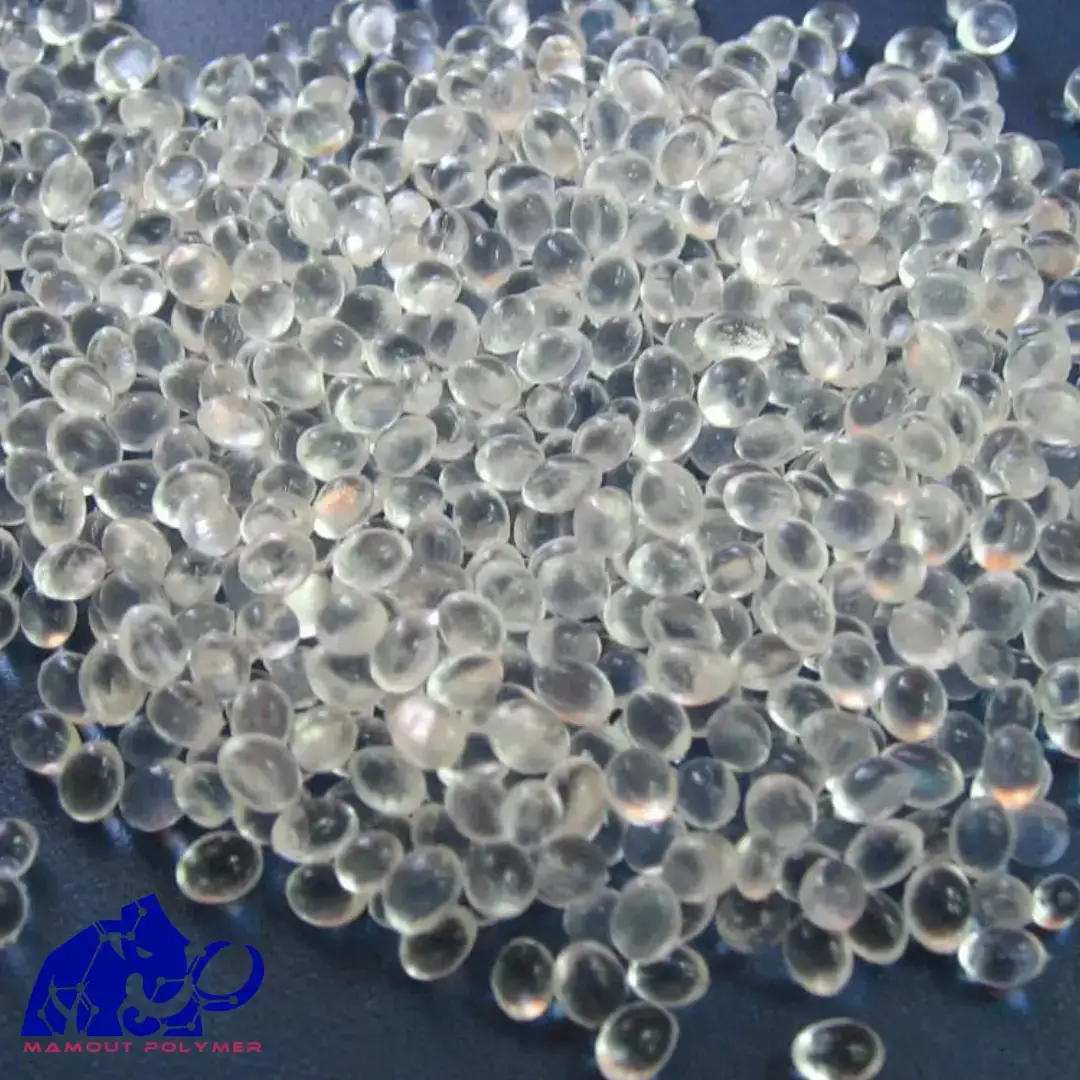
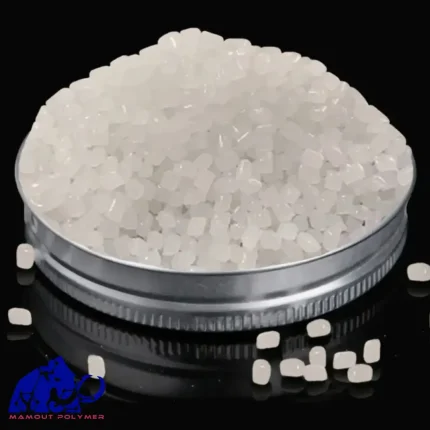
PP clarifying masterbatch (nucleating)
توضیحات
PP Clarifying Masterbatch (Nucleator)
PP (Polypropylene) Clarifying Masterbatch or Nucleating Masterbatch is a specialized additive in the plastic industry that is used to improve the transparency and appearance of polypropylene products. This type of masterbatch increases transparency, reduces opacity, and improves the optical properties of the produced parts by affecting the internal structure of the polymer.
Definition and function of PP clarifying masterbatch
Clarifying masterbatch is available in the form of colored or colorless granules and contains compounds that are added to polypropylene during the molding or extrusion process. The main function of this masterbatch is to reduce crystallinity and create a microcrystalline structure with smaller sizes in the polymer matrix. This allows light to pass through the product better, thereby increasing transparency.
In fact, by controlling the crystallization process of polypropylene, the nucleating masterbatch modifies the internal structure of the product in such a way that light scattering is reduced and the final product appears clearer, brighter, and of higher quality.
PP Clarifying Masterbatch Compounds
These masterbatches are usually composed of a combination of PP base polymer and additives such as nucleating agents. Nucleating agents include compounds such as titanium oxide in small amounts, specific organic or inorganic compounds that control the crystallization process.
These materials cause the polypropylene crystals to form smaller, more uniform, and more dispersed, resulting in increased light transmission and higher transparency.
Benefits of using PP clarifying masterbatch
-
Increased transparency: The main purpose of using these masterbatches is to improve the transparency of PP products, which is very important for transparent packaging and appearance applications.
-
Reduce turbidity: Reduce turbidity and improve the final appearance of the product.
-
Improving mechanical properties: By controlling the crystal structure, in addition to transparency, mechanical properties such as strength and impact resistance are also improved.
-
Increased production speed: Some clarifying masterbatches allow for increased cooling speeds due to better control of the crystallization process, which increases production efficiency.
-
Full compatibility with PP: Since the masterbatch base is usually polypropylene, it is well compatible with the original raw materials and does not cause process problems.
-
Cost reduction: Due to improved appearance quality, it is possible to reduce the thickness of the film or part without compromising quality, which leads to material savings.
Applications of PP Clarifying Masterbatch
-
Packaging industries: Production of transparent and resistant films and sheets for food, pharmaceutical and industrial packaging.
-
Decorative and industrial parts: Parts that require a transparent or translucent appearance, such as parts of home appliances, electrical appliances, and automotive parts.
-
Agricultural films: Greenhouse films that, in addition to being transparent, must have appropriate resistance.
-
Medical parts: Due to the need to view the interior of parts or packaging with high transparency.
How to use and percentage of use
The amount of clarifying masterbatch used usually varies between 0.5 and 3% by weight of polypropylene. The exact percentage is selected depending on the type of final product and the level of clarity required. Excessive use of masterbatch can affect mechanical properties or cause changes in color, so the dosage must be carefully adjusted.
Important points and challenges
-
Dosage control: Optimal dosage is important to achieve the best balance between transparency and mechanical properties.
-
Compatibility with other additives: The masterbatch must be compatible with other additives used, such as stabilizers and plasticizers.
-
Production process: Extrusion and molding conditions must be adjusted to suit the use of the clarifying masterbatch to achieve the best results.
-
Light stability: Some masterbatches may be sensitive to UV light and require stabilizing additives.
Conclusion
PP clarifying masterbatch (nucleator) is a key tool for improving the quality and aesthetics of polypropylene products. By creating a fine and uniform crystal structure in the polymer matrix, these masterbatches increase transparency and reduce haze, and at the same time can improve the mechanical properties of the final product. These features have made clarifying masterbatches widely used in the packaging, automotive, medical and other related industries.
نظرات (0)
Shipping & Delivery




نقد و بررسیها
هنوز بررسیای ثبت نشده است.