

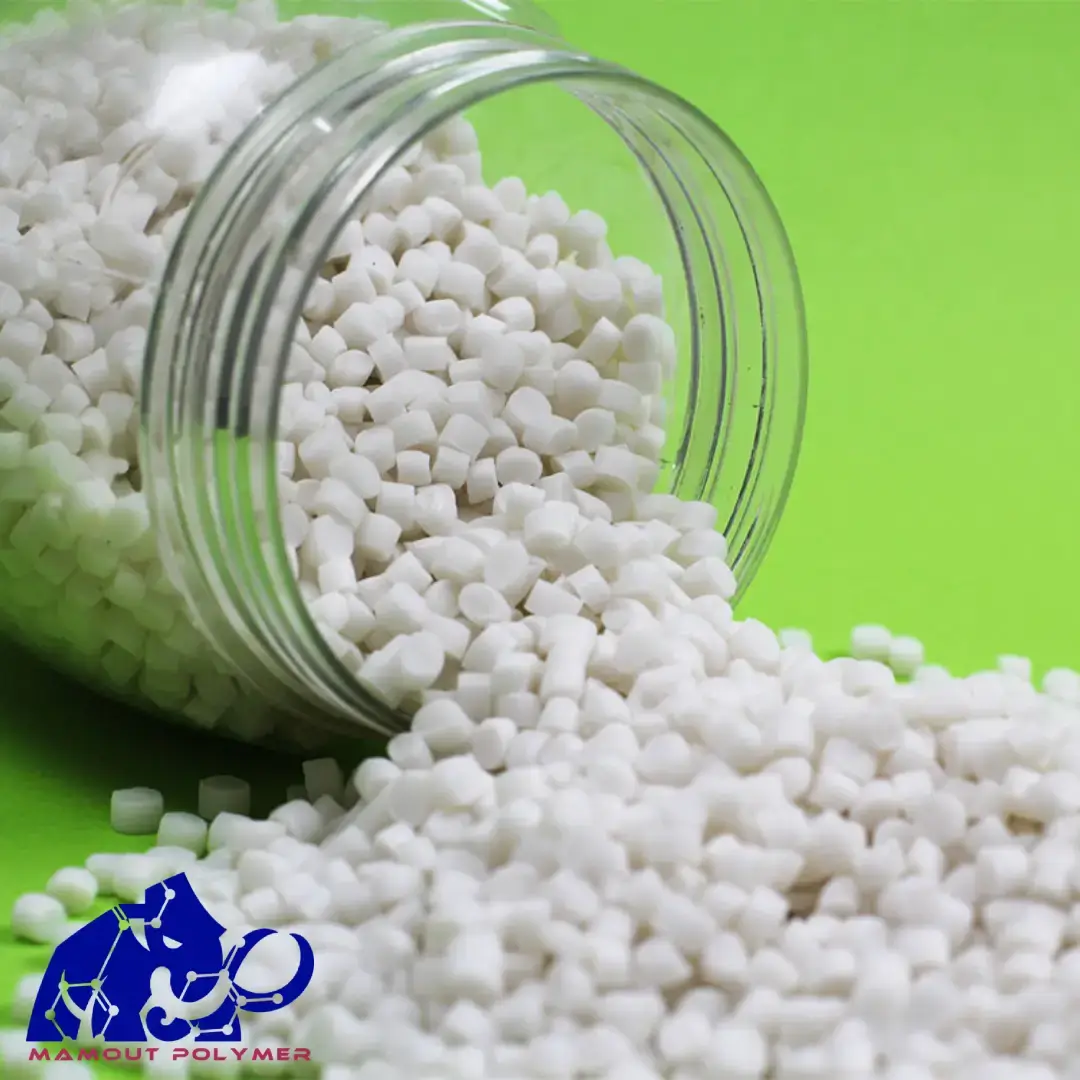
پلیپروپیلن بلاک کوپلیمر
توضیحات
پلیپروپیلن بلاک کوپلیمر (PP Block Copolymer)
پلیپروپیلن یکی از رایجترین و پرمصرفترین پلیمرهای ترموپلاستیک در دنیاست که به طور گسترده در صنایع مختلف مورد استفاده قرار میگیرد. این پلیمر به دو شکل اصلی تولید میشود: هموپلیمر و کوپلیمر. در میان کوپلیمرها، پلیپروپیلن بلاک کوپلیمر (Block Copolymer PP) نوعی از پلیپروپیلن است که از نظر خواص فیزیکی و مکانیکی نسبت به هموپلیمر عملکرد بهتری دارد و برای کاربردهای صنعتی و مهندسی مناسبتر است.
ساختار شیمیایی
پلیپروپیلن بلاک کوپلیمر از پلیمریزاسیون پروپیلن با مقادیر کمی از اتیلن (معمولاً بین 5 تا 15 درصد) تشکیل میشود. تفاوت آن با کوپلیمر رندوم در نحوه توزیع واحدهای اتیلن در زنجیره پلیمری است. در بلاک کوپلیمر، واحدهای اتیلن به صورت “بلوکهای متمرکز” در زنجیره حضور دارند، در حالی که در کوپلیمر رندوم، اتیلن به صورت تصادفی در زنجیره وارد میشود.
ساختار بلاکی باعث میشود که خواص این نوع پلیپروپیلن از جمله مقاومت ضربهای، به ویژه در دماهای پایین، به شکل قابل توجهی بهبود یابد.
ویژگیها و خواص
پلیپروپیلن بلاک کوپلیمر ترکیبی از استحکام، دوام و انعطافپذیری را فراهم میکند. در ادامه به برخی از خواص کلیدی آن اشاره میشود:
- مقاومت ضربهای بالا: یکی از برجستهترین ویژگیهای بلاک کوپلیمرها، مقاومت بالا در برابر ضربه، حتی در دماهای پایین است.
- سختی و استحکام مناسب: این پلیمر سختی مناسبی دارد و برای قطعاتی که تحت تنش مکانیکی قرار میگیرند، انتخاب خوبی است.
- مقاومت شیمیایی: مانند سایر گریدهای پلیپروپیلن، بلاک کوپلیمر نیز در برابر بسیاری از مواد شیمیایی، اسیدها و بازها مقاومت خوبی از خود نشان میدهد.
- فرآیندپذیری خوب: این ماده به راحتی در فرایندهایی مانند تزریق پلاستیک، قالبگیری و اکستروژن استفاده میشود.
کاربردها
پلیپروپیلن بلاک کوپلیمر در بسیاری از صنایع به دلیل مقاومت مکانیکی بالا و دوام مناسب کاربرد دارد. برخی از کاربردهای اصلی آن عبارتند از:
- صنایع خودروسازی: برای تولید سپر خودرو، داشبورد، روکش چرخ و سایر قطعات داخلی و خارجی.
- صنایع بستهبندی: استفاده در جعبههای صنعتی، پالتها و سبدهای سنگین که نیاز به تحمل وزن بالا دارند.
- تجهیزات خانگی: مانند قطعات ماشین لباسشویی، یخچال، جاروبرقی و لوازم آشپزخانه.
- قطعات صنعتی: شامل بدنه ابزارها، محفظههای صنعتی، کانتینرها و مخازن.
- صنایع ساختمانی: در تولید لوله، اتصالات، پنلها و سایر تجهیزات ساختمانی که به دوام بالا نیاز دارند.
مزایا
- مقاومت بالا در برابر ضربه، حتی در دماهای پایین
- مقاومت شیمیایی و رطوبتی خوب
- قیمت مناسب و اقتصادی بودن نسبت به پلاستیکهای مهندسی
- فرآیندپذیری عالی در روشهای مختلف تولید پلاستیک
- وزن کم نسبت به فلزات و برخی پلاستیکهای مهندسی دیگر
معایب
- مقاومت نسبتاً پایین در برابر اشعه UV و نیاز به افزودنیهای پایدارکننده برای کاربردهای بیرونی
- مقاومت حرارتی محدود (تا حدود 100 درجه سانتیگراد)
- نسبت به پلیمرهایی مثل ABS یا Nylon، خواص مکانیکی متوسطتری دارد
نتیجهگیری
پلیپروپیلن بلاک کوپلیمر یک ماده ترموپلاستیک اقتصادی، مقاوم و قابلاعتماد است که به دلیل ترکیب ویژگیهایی مانند استحکام، انعطافپذیری و مقاومت شیمیایی، در کاربردهای متنوعی مورد استفاده قرار میگیرد. این نوع پلیمر بهویژه در شرایطی که نیاز به مقاومت ضربهای بالاتری وجود دارد، گزینهای مناسبتر نسبت به هموپلیمر پلیپروپیلن به شمار میآید. با توجه به قیمت پایین، قابلیت بازیافت و کاربردهای گسترده، PP بلاک کوپلیمر جایگاه ویژهای در صنایع مختلف به دست آورده است.
نظرات (0)
Shipping & Delivery
محصولات مرتبط

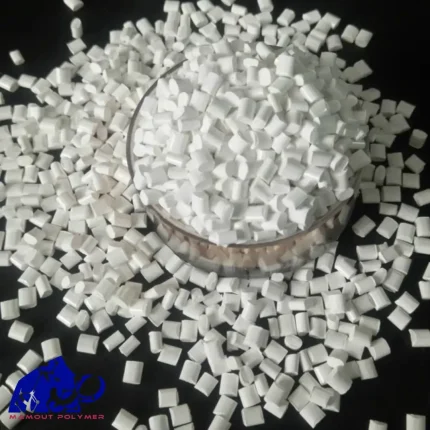
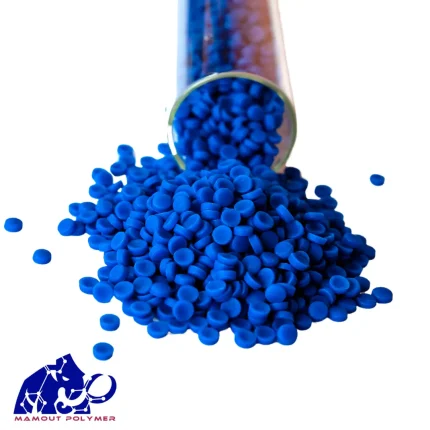

Polypropylene block copolymer
توضیحات
Polypropylene Block Copolymer (PP Block Copolymer)
Polypropylene is one of the most common and widely used thermoplastic polymers in the world, widely used in various industries. This polymer is produced in two main forms: homopolymer and copolymer. Among the copolymers, polypropylene block copolymer (Block Copolymer PP) is a type of polypropylene that performs better than homopolymer in terms of physical and mechanical properties and is more suitable for industrial and engineering applications.
Chemical structure
Polypropylene block copolymer is formed by the polymerization of propylene with small amounts of ethylene (usually between 5 and 15%). It differs from random copolymers in the way the ethylene units are distributed in the polymer chain. In block copolymers, the ethylene units are present as “concentrated blocks” in the chain, while in random copolymers, the ethylene is randomly inserted into the chain.
The block structure significantly improves the properties of this type of polypropylene, including impact resistance, especially at low temperatures.
Features and properties
Polypropylene block copolymer provides a combination of strength, durability, and flexibility. Here are some of its key properties:
- High impact resistance: One of the most prominent features of block copolymers is their high impact resistance, even at low temperatures.
- Adequate hardness and strength: This polymer has adequate hardness and is a good choice for parts that are subject to mechanical stress.
- Chemical resistance: Like other grades of polypropylene, block copolymer also exhibits good resistance to many chemicals, acids, and bases.
- Good processability: This material is easily used in processes such as plastic injection molding, molding, and extrusion.
Applications
Polypropylene block copolymer is used in many industries due to its high mechanical strength and durability. Some of its main applications include:
- Automotive industries: For the production of car bumpers, dashboards, wheel covers, and other interior and exterior parts.
- Packaging industries: Used in industrial boxes, pallets and heavy baskets that require high weight bearing.
- Household equipment: such as parts for washing machines, refrigerators, vacuum cleaners, and kitchen appliances.
- Industrial parts: including tool bodies, industrial enclosures, containers, and tanks.
- Construction industries: In the production of pipes, fittings, panels and other construction equipment that require high durability.
Benefits
- High impact resistance, even at low temperatures
- Good chemical and moisture resistance
- Affordable and economical compared to engineering plastics
- Excellent processability in various plastic production methods
- Lighter weight than metals and some other engineering plastics
Disadvantages
- Relatively low resistance to UV radiation and the need for stabilizing additives for exterior applications
- Limited heat resistance (up to about 100°C)
- It has more moderate mechanical properties than polymers such as ABS or Nylon.
Conclusion
Polypropylene block copolymer is an economical, durable and reliable thermoplastic material that is used in a variety of applications due to its combination of properties such as strength, flexibility and chemical resistance. This type of polymer is a more suitable option than polypropylene homopolymer, especially in situations where higher impact resistance is required. Due to its low price, recyclability and wide applications, PP block copolymer has gained a special place in various industries.
نظرات (0)
نقد و بررسیها
هنوز بررسیای ثبت نشده است.
Shipping & Delivery


نقد و بررسیها
هنوز بررسیای ثبت نشده است.