

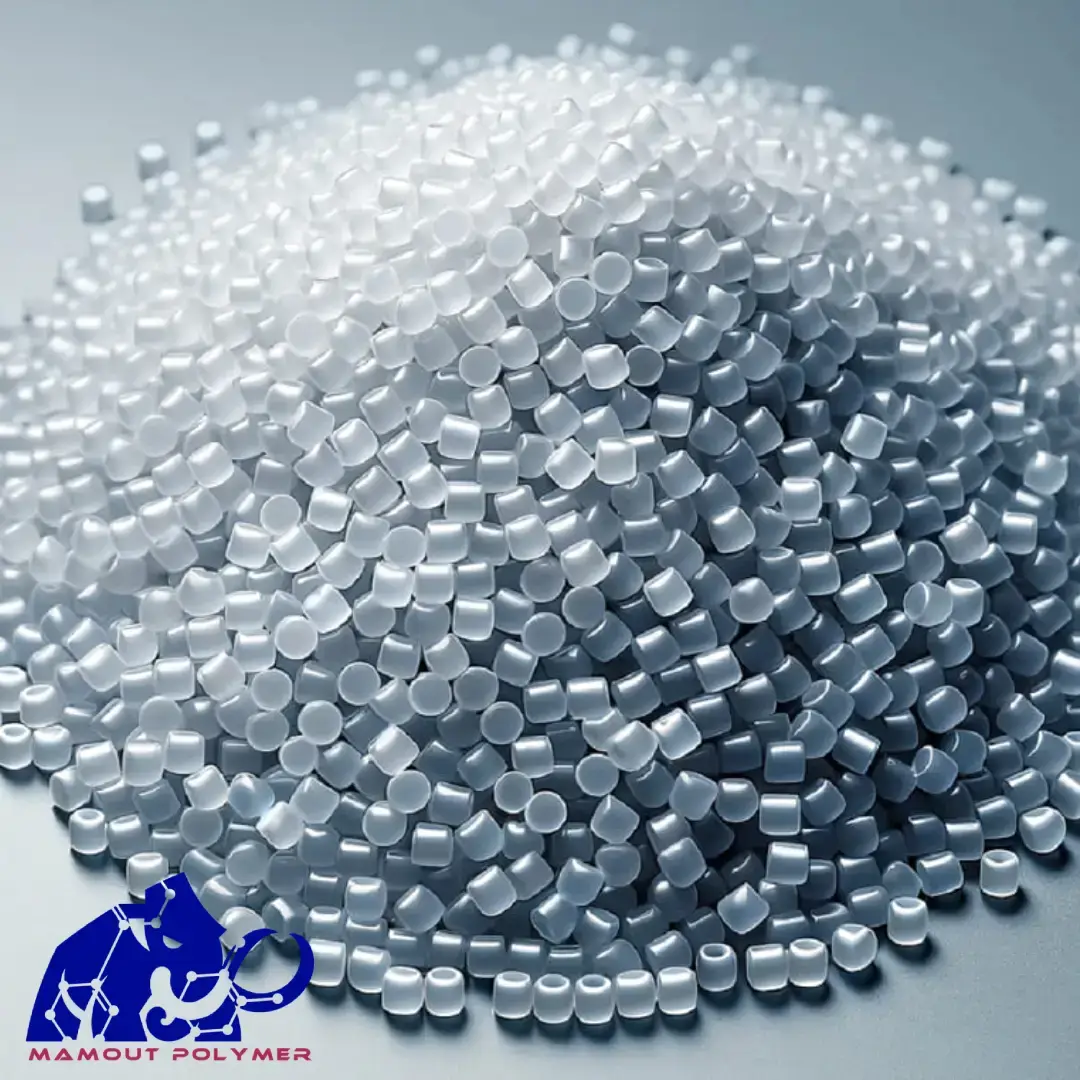

پلی آمید 6
توضیحات
معرفی پلی آمید 6
پلی آمید 6 که به اختصار PA6 نیز نامیده میشود، یکی از پرکاربردترین و مهمترین خانوادههای پلی آمیدها است که در صنایع مختلف به دلیل خواص مکانیکی و شیمیایی مطلوب، کاربردهای گستردهای دارد. این پلیمر جزو ترموپلاستها محسوب میشود و از طریق فرایند پلیمریزاسیون باز حلقه مونومر کاپرولاکتام (Caprolactam) به دست میآید.
ساختار شیمیایی و فرایند تولید
پلی آمید 6 یک پلیمر خطی است که زنجیرههای آن شامل تکرار واحدهای آمید (-CONH-) است. در تولید PA6، کاپرولاکتام که یک ترکیب حلقوی شش کربنه است، با باز شدن حلقه خود تحت شرایط خاص حرارتی و کاتالیزوری، به صورت زنجیرههای بلند پلی آمیدی پلیمریزه میشود. این روش تولید، پلی آمید 6 را از پلی آمید 6,6 متمایز میکند که از واکنش دو مونومر متفاوت به دست میآید.
خواص فیزیکی و مکانیکی
پلی آمید 6 دارای مقاومت مکانیکی بالا، استحکام کششی و سختی مناسب است. همچنین این پلیمر مقاومت خوبی در برابر ضربه و سایش دارد که باعث شده در کاربردهای صنعتی که نیاز به دوام و استقامت بالا دارند، بسیار محبوب باشد. نقطه ذوب پلی آمید 6 حدود 220 درجه سانتیگراد است و به دلیل ساختار نیمهبلوری خود، خواص حرارتی مناسبی دارد.
یکی از ویژگیهای مهم PA6 جذب رطوبت قابل توجه آن است که میتواند تا چند درصد وزن خود آب جذب کند. این ویژگی باعث تغییر در خواص مکانیکی و ابعادی پلیمر میشود و باید در طراحی و استفاده از آن در نظر گرفته شود.
کاربردهای پلی آمید 6
پلی آمید 6 به دلیل خواص مطلوب، در صنایع متعددی کاربرد دارد که شامل موارد زیر میشود:
- صنایع خودروسازی: استفاده در ساخت قطعات موتوری، پوششهای محافظ، قطعات داخلی خودرو و چرخدندهها به دلیل مقاومت بالا در برابر حرارت و سایش.
- صنایع نساجی: تولید نخهای مقاوم و پارچههای فنی با دوام بالا.
- صنایع الکترونیک: به عنوان عایق و پوشش برای قطعات الکترونیکی.
- تولید قطعات صنعتی: کاربرد در ساخت قطعات مکانیکی، یاتاقانها، چرخدندهها و سایر قطعات ماشینآلات که نیاز به مقاومت مکانیکی و شیمیایی دارند.
- بستهبندی: به عنوان فیلمهای بستهبندی مقاوم که خاصیت چسبندگی و انعطافپذیری مطلوبی دارند.
مزایا و معایب
مزایا:
- مقاومت مکانیکی بالا و سختی مناسب.
- مقاومت خوب در برابر سایش و ضربه.
- قابلیت قالبگیری و فرآیندپذیری عالی.
- مقاومت نسبی در برابر بسیاری از مواد شیمیایی.
- قابلیت بازیافت و استفاده مجدد.
معایب:
- جذب رطوبت بالا که میتواند باعث تغییر خواص مکانیکی و ابعادی شود.
- نقطه ذوب نسبتاً پایینتر نسبت به برخی پلی آمیدهای دیگر مانند PA6,6.
- حساسیت به تابش UV و برخی شرایط محیطی که ممکن است باعث تخریب پلیمر شود.
روشهای بهبود خواص پلی آمید 6
برای بهبود خواص پلی آمید 6، معمولاً افزودنیها و پرکنندههای مختلفی به آن اضافه میشود. برای مثال:
- پرکنندههای معدنی مانند تالک و شیشه برای افزایش سختی و مقاومت حرارتی.
- الیاف شیشه یا کربن برای افزایش مقاومت مکانیکی و سختی.
- مواد ضد اشعه UV برای افزایش پایداری در برابر نور خورشید.
- مشتقات و ترکیبات اصلاح شده برای کاهش جذب رطوبت یا بهبود انعطافپذیری.
نتیجهگیری
پلی آمید 6 یک پلیمر بسیار مهم و پرکاربرد است که به دلیل خواص فیزیکی و مکانیکی مناسب، قابلیت فرآیندپذیری بالا و مقاومت شیمیایی مطلوب، در صنایع مختلف از جمله خودروسازی، نساجی، الکترونیک و بستهبندی کاربرد فراوان دارد. با این حال، جذب رطوبت و حساسیت به شرایط محیطی از چالشهای این ماده محسوب میشوند که با استفاده از افزودنیها و اصلاحات میتوان این مشکلات را تا حد زیادی رفع کرد.
در کل، پلی آمید 6 به عنوان یکی از پلیمرهای مهندسی مهم شناخته میشود که نقش بسزایی در پیشرفت فناوریها و تولید قطعات با کیفیت بالا دارد.
نظرات (0)
Shipping & Delivery
محصولات مرتبط
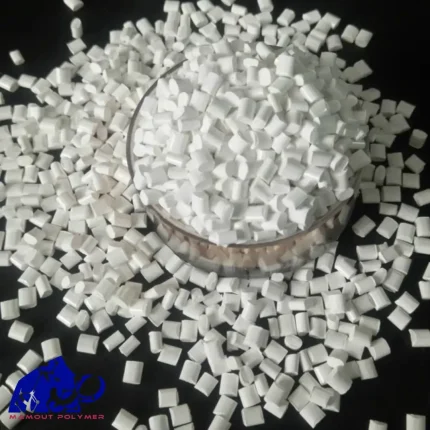

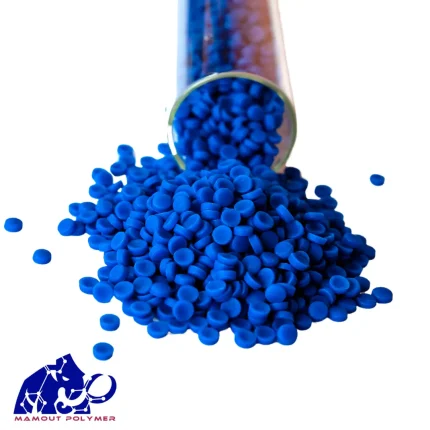
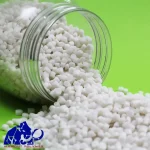
Polyamide 6
توضیحات
Introduction to Polyamide 6
Polyamide 6, also known as PA6, is one of the most widely used and important families of polyamides, which has wide applications in various industries due to its favorable mechanical and chemical properties. This polymer is considered a thermoplastic and is obtained through the ring-opening polymerization process of the monomer caprolactam.
Chemical structure and production process
Polyamide 6 is a linear polymer whose chains consist of repeating amide units (-CONH-). In the production of PA6, caprolactam, a six-carbon cyclic compound, is polymerized into long polyamide chains by opening its ring under specific thermal and catalytic conditions. This production method distinguishes polyamide 6 from polyamide 6,6, which is obtained from the reaction of two different monomers.
Physical and mechanical properties
Polyamide 6 has high mechanical strength, tensile strength and good hardness. It also has good impact and abrasion resistance, which makes it very popular in industrial applications that require high durability and strength. The melting point of polyamide 6 is around 220°C and due to its semi-crystalline structure, it has good thermal properties.
One of the important properties of PA6 is its significant moisture absorption, which can absorb up to several percent of its own weight in water. This property causes changes in the mechanical and dimensional properties of the polymer and must be considered in its design and use.
Applications of Polyamide 6
Due to its desirable properties, polyamide 6 is used in numerous industries, including the following:
- Automotive industries: Used in the manufacture of engine parts, protective coatings, interior car parts, and gears due to its high resistance to heat and wear.
- Textile industries: Production of resistant yarns and highly durable technical fabrics.
- Electronics industries: As insulation and coating for electronic components.
- Industrial parts production: Used in the manufacture of mechanical parts, bearings, gears, and other machinery parts that require mechanical and chemical resistance.
- Packaging: As durable packaging films that have desirable adhesion and flexibility.
Advantages and disadvantages
Advantages:
- High mechanical strength and appropriate hardness.
- Good resistance to abrasion and impact.
- Excellent moldability and processability.
- Relative resistance to many chemicals.
- Recyclability and reuse.
Disadvantages:
- High moisture absorption which can cause changes in mechanical and dimensional properties.
- Relatively lower melting point than some other polyamides such as PA6,6.
- Sensitivity to UV radiation and certain environmental conditions that may cause polymer degradation.
Methods for improving the properties of polyamide 6
To improve the properties of polyamide 6, various additives and fillers are usually added to it. For example:
- Mineral fillers such as talc and glass to increase hardness and heat resistance.
- Glass or carbon fibers to increase mechanical strength and stiffness.
- UV-resistant materials for increased stability against sunlight.
- Derivatives and compounds modified to reduce moisture absorption or improve flexibility.
Conclusion
Polyamide 6 is a very important and widely used polymer that is widely used in various industries including automotive, textile, electronics, and packaging due to its suitable physical and mechanical properties, high processability, and desirable chemical resistance. However, moisture absorption and sensitivity to environmental conditions are challenges of this material, which can be largely overcome by using additives and modifications.
Overall, polyamide 6 is known as one of the important engineering polymers that plays a significant role in the advancement of technologies and the production of high-quality parts.
نظرات (0)
نقد و بررسیها
هنوز بررسیای ثبت نشده است.
Shipping & Delivery


نقد و بررسیها
هنوز بررسیای ثبت نشده است.