



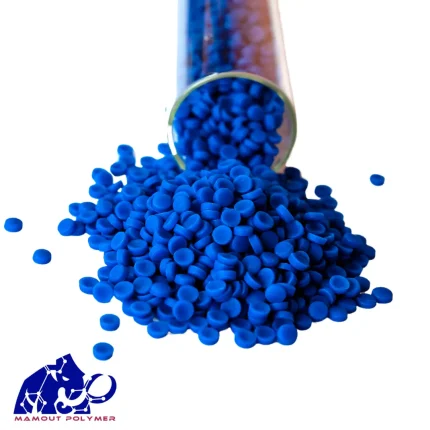
پلی استایرن مقاوم به ضربه
توضیحات
پلی استایرن مقاوم به ضربه
پلی استایرن مقاوم به ضربه (Impact Resistant Polystyrene یا HIPS) نوعی پلیمر ترموپلاستیک است که به دلیل مقاومت بالاتر در برابر ضربه نسبت به پلی استایرن معمولی، کاربردهای گستردهتری در صنایع مختلف دارد. این ماده ترکیبی از پلی استایرن معمولی و لاستیکهای طبیعی یا سنتزی است که موجب بهبود خواص مکانیکی آن، بهویژه مقاومت در برابر شکست ناشی از ضربه، میشود.
ساختار و ترکیب
پلی استایرن (PS) به خودی خود مادهای سخت و شکننده است. این شکنندگی باعث محدود شدن کاربردهای آن در مواردی میشود که نیاز به تحمل ضربه و فشارهای ناگهانی وجود دارد. برای حل این مشکل، لاستیکهایی مانند بوتادین به ماتریس پلی استایرن اضافه میشوند. این لاستیکها به شکل ذرات ریز در ساختار پلی استایرن پراکنده شده و خاصیت جذب انرژی و انعطافپذیری را افزایش میدهند. به همین دلیل، پلی استایرن مقاوم به ضربه، مادهای است که میتواند تنشهای مکانیکی و ضربهای را بهتر تحمل کند.
خواص فیزیکی و مکانیکی
پلی استایرن مقاوم به ضربه ترکیبی از استحکام و انعطافپذیری است. این ماده نسبت به پلی استایرن معمولی دارای مقاومت ضربهای بسیار بیشتری است، بهطوری که میتواند در شرایطی که احتمال وارد شدن ضربههای ناگهانی وجود دارد، عملکرد مناسبی ارائه دهد. همچنین، این نوع پلی استایرن خواص شیمیایی خوبی دارد، مقاومت در برابر رطوبت و اکثر مواد شیمیایی را داراست، و وزن سبک آن از دیگر مزایای مهم آن محسوب میشود.
کاربردها
به دلیل ترکیب ویژگیهای مکانیکی و شیمیایی، پلی استایرن مقاوم به ضربه در صنایع مختلف کاربرد دارد. برخی از مهمترین موارد استفاده آن عبارتند از:
- تولید قطعات الکترونیکی: مانند بدنههای تلویزیون، رادیو، دستگاههای پزشکی و قطعات کامپیوتری که نیاز به مقاومت در برابر ضربه و استحکام دارند.
- صنایع خودروسازی: استفاده در ساخت قطعات داخلی خودرو مثل داشبورد و قابهای محافظ.
- بستهبندی: تولید بستهبندیهای محافظ که باید در برابر ضربه و فشار مقاوم باشند.
- صنایع لوازم خانگی: ساخت قطعات پلاستیکی لوازم مانند قاب یخچالها، مایکروویو و سایر وسایل.
- اسباببازیها: به دلیل ایمنی بالا و مقاومت خوب در برابر ضربه، این ماده در تولید اسباببازیها نیز کاربرد دارد.
فرآیند تولید
پلی استایرن مقاوم به ضربه از طریق فرآیندهای قالبگیری تزریقی، اکستروژن، و قالبگیری دمشی تولید میشود. در این فرآیندها، مخلوط پلی استایرن و لاستیکها ذوب و سپس به شکل دلخواه قالبگیری میشود. به دلیل ساختار ذرات لاستیکی در داخل پلیمر، جذب انرژی ضربه به شکل موثری انجام میشود و ماده از شکنندگی رها میگردد.
مزایا و معایب
مزایا:
- مقاومت بالاتر در برابر ضربه نسبت به پلی استایرن معمولی.
- وزن سبک و سهولت در شکلدهی.
- مقاومت خوب در برابر رطوبت و مواد شیمیایی.
- هزینه تولید نسبتاً پایینتر نسبت به پلیمرهای مهندسی دیگر.
معایب:
- مقاومت حرارتی محدود و عدم تحمل دماهای بسیار بالا.
- مقاومت مکانیکی کمتر نسبت به برخی پلاستیکهای مهندسی مانند پلیکربنات.
- پایداری کمتر در برابر نور UV که ممکن است باعث تغییر رنگ و شکنندگی شود.
نتیجهگیری
پلی استایرن مقاوم به ضربه یکی از پلیمرهای مهم و کاربردی در صنایع مختلف است که با بهبود خواص مکانیکی پلی استایرن معمولی، راهکار مناسبی برای تولید قطعاتی با مقاومت بهتر در برابر ضربه ارائه میدهد. با توجه به هزینه پایین و قابلیتهای فراوان، این ماده نقش مهمی در تولید محصولات پلاستیکی روزمره و صنعتی ایفا میکند. البته محدودیتهایی مانند مقاومت حرارتی و پایداری در برابر نور باید در طراحی و انتخاب مواد مد نظر قرار گیرد.
نظرات (0)
Shipping & Delivery
محصولات مرتبط


Impact-resistant polystyrene
توضیحات
Impact-resistant polystyrene
Impact Resistant Polystyrene (HIPS) is a thermoplastic polymer that has wider applications in various industries due to its higher impact resistance than regular polystyrene. This material is a combination of regular polystyrene and natural or synthetic rubbers that improve its mechanical properties, especially resistance to impact fracture.
Structure and composition
Polystyrene (PS) is a hard and brittle material by itself. This brittleness limits its applications in cases where it is necessary to withstand shocks and sudden pressures. To solve this problem, rubbers such as butadiene are added to the polystyrene matrix. These rubbers are dispersed in the form of fine particles in the polystyrene structure and increase the energy absorption and flexibility. For this reason, impact-resistant polystyrene is a material that can better withstand mechanical and shock stresses.
Physical and mechanical properties
High-impact polystyrene is a combination of strength and flexibility. It has much higher impact resistance than regular polystyrene, so it can perform well in situations where sudden impacts are likely. It also has good chemical properties, is resistant to moisture and most chemicals, and is lightweight.
Applications
Due to its combination of mechanical and chemical properties, impact-resistant polystyrene is used in various industries. Some of its most important uses include:
- Production of electronic components: such as television bodies, radios, medical devices, and computer parts that require impact resistance and strength.
- Automotive industries: Used in the manufacture of interior car parts such as dashboards and protective frames.
- Packaging: Production of protective packaging that must be resistant to impact and pressure.
- Home appliance industries: Manufacturing plastic parts for appliances such as refrigerator frames, microwaves, and other appliances.
- Toys: Due to its high safety and good impact resistance, this material is also used in the production of toys.
Production process
Impact-resistant polystyrene is produced through injection molding, extrusion, and blow molding processes. In these processes, a mixture of polystyrene and rubber is melted and then molded into the desired shape. Due to the structure of the rubber particles within the polymer, impact energy is effectively absorbed and the material is freed from brittleness.
Advantages and disadvantages
Advantages:
- Higher impact resistance than regular polystyrene.
- Light weight and easy to shape.
- Good resistance to moisture and chemicals.
- Relatively lower production cost than other engineering polymers.
Disadvantages:
- Limited heat resistance and intolerance to very high temperatures.
- Lower mechanical strength than some engineering plastics such as polycarbonate.
- Less stable to UV light which may cause discoloration and brittleness.
Conclusion
Impact-resistant polystyrene is one of the important and practical polymers in various industries, which, by improving the mechanical properties of ordinary polystyrene, provides a suitable solution for producing parts with better impact resistance. Given its low cost and many capabilities, this material plays an important role in the production of everyday and industrial plastic products. Of course, limitations such as heat resistance and light stability must be considered in the design and selection of materials.
نظرات (0)
نقد و بررسیها
هنوز بررسیای ثبت نشده است.
Shipping & Delivery


نقد و بررسیها
هنوز بررسیای ثبت نشده است.