

The Evolving Landscape of Polymeric Compounds: Innovation and Impact

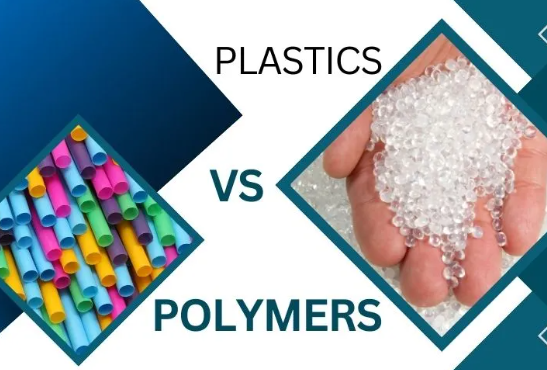
Polymeric Compounds
For decades, the word “polymer” has been synonymous with plastic—ubiquitous, often disposable, and increasingly problematic. However, this perception is undergoing a radical transformation. Today, polymeric compounds are at the forefront of a materials science revolution, evolving from passive substances into dynamic, intelligent materials engineered to tackle some of humanity’s most pressing challenges. Modern research is no longer just about creating a new type of packaging; it’s about developing polymers that can heal, adapt, and even think.
The driving force behind this shift is advanced synthesis and engineering. Scientists are moving beyond simple homopolymers to sophisticated copolymers, blends, and composites. By precisely manipulating the molecular architecture—controlling aspects like chain length, branching, and cross-linking—researchers can tailor properties with incredible precision. This allows for the creation of materials that are not only stronger and lighter than steel but also capable of responding to environmental stimuli like temperature, pH, or light. These “smart” or “responsive” polymers are opening new frontiers in targeted drug delivery, where a capsule releases medicine only upon encountering a specific acidic environment in the body, thereby minimizing side effects.

Furthermore, the sustainability crisis is catalyzing unprecedented innovation. The development of biodegradable polymers from renewable sources, such as polylactic acid (PLA) from corn starch or (PHA) from microorganisms, is rapidly progressing. Beyond mere biodegradability, chemical recycling advancements are creating a circular economy for polymers, breaking them down into their original monomers to be repolymerized into new, high-quality materials, effectively eliminating waste.
What exactly distinguishes a “smart polymer” from a conventional one?
A: While a conventional polymer has static properties (like a plastic bottle that remains rigid), a smart polymer undergoes significant, reversible physical or chemical changes in response to minor environmental fluctuations. Think of a hydrogel that expands or contracts like an artificial muscle when an electric current is applied, or a coating that becomes hydrophobic when wet to protect a surface.
With the push against fossil fuels, what are the most promising bio-based polymers?
A: Two major contenders are leading the charge. Polylactic Acid (PLA) is renowned for its versatility, used in everything from compostable packaging to medical implants. (PHAs) are even more compelling as they are directly synthesized by bacteria consuming organic waste, making them truly bio-derived and biodegradable in various environments, including oceans.

How are polymers contributing to the next generation of electronics?
A: Conductive polymers like PEDOT:PSS are revolutionizing flexible electronics. Their inherent malleability allows for the creation of bendable screens, wearable health monitors that conform to the skin, and even thin-film solar cells. They are paving the way for a world where electronics are seamlessly integrated into our clothing and surroundings.
The term “microplastics” is a major concern. How is polymer science addressing this?
A: The solution is twofold. First, designing polymers with enhanced durability to prevent fragmentation during use. Second, and more crucially, pioneering truly biodegradable polymers that break down into harmless organic compounds, not persistent micro-particles. Research is also focused on developing polymers that can be efficiently filtered and removed from wastewater streams before they reach natural ecosystems.

What role do polymers play in advanced medical applications beyond drug delivery?
A: Their role is expanding dramatically. 3D bioprinting utilizes biocompatible polymer scaffolds as a framework to grow human tissues and even organs for transplantation. Polymer-based hydrogels are used as advanced wound dressings that keep the area moist and actively promote healing. Additionally, polymer composites are used to create lightweight and durable prosthetics and implants that are compatible with the human body.
A Deep Dive into Polymeric Compounds
Look around you. The device you’re reading this on, the clothes you wear, the chair you sit on, and the car you drive—all are profoundly influenced by polymeric compounds. Often simplistically labeled as “plastics,” polymers represent a far more diverse and sophisticated class of materials that form the very backbone of modern civilization. This article moves beyond the conventional understanding to explore the cutting-edge innovations, pressing challenges, and immense potential that polymers hold for our future.
At its core, a polymer is a large molecule composed of repeating structural units called monomers, derived from the Greek words poly (meaning “many”) and meros (meaning “parts”). Think of it as a long chain, where each link is a monomer. By varying the type of monomers, the length of the chains, and the architecture of how these chains connect, scientists can engineer materials with a breathtaking range of properties—from the elastic resilience of a rubber band to the shatterproof clarity of a bulletproof window.
The traditional division between thermoplastics (which soften upon heating and can be remolded) and thermosets (which undergo a permanent chemical change upon curing) is now just the beginning. Today, the frontier of polymer science lies in advanced categories like biopolymers (sourced from renewable resources), conductive polymers (that carry electrical current), and smart polymers that respond dynamically to environmental triggers like temperature, pH, or light.
Beyond packaging, what are some high-tech, surprising applications of polymers?
While packaging is a major application, polymers are pivotal in high-tech fields. In medicine, biodegradable polymers are used for dissolvable stitches, drug-delivery systems that release medication over time, and scaffolds for tissue engineering that help regenerate bone or cartilage. In electronics, flexible polymer substrates are essential for bendable screens and wearable devices. The aerospace industry relies on lightweight, ultra-strong polymer composites to reduce the weight of aircraft, leading to significant fuel savings. Even in environmental tech, polymer-based membranes are crucial for water purification and desalination processes.
The environmental impact of plastics is a major concern. What sustainable solutions are being developed within polymer science?
Sustainability is the single biggest driver of innovation in polymer science today. The solution is multi-faceted:
- Biopolymers and Bio-based Monomers: Researchers are developing polymers derived from corn starch, cellulose, algae, and even food waste, reducing reliance on fossil fuels. Polylactic acid (PLA) is a prominent example.
- Biodegradability and Compostability: Designing polymers that can be broken down by microorganisms under specific conditions is a key focus. It’s crucial to distinguish between industrial composting (which requires high heat) and home composting.
- Advanced Recycling (Chemical Recycling): Unlike traditional mechanical recycling which downgrades quality, chemical recycling breaks polymers back down into their original monomers. This allows them to be remade into new, high-quality plastic, effectively creating a circular economy.
- Design for Recycling: A growing movement advocates for designing products from the start with their end-of-life in mind, using mono-materials instead of complex, inseparable composites.

What are “smart” or “responsive” polymers, and how do they work?
Smart polymers are materials that undergo significant, reversible physical or chemical changes in response to small external environmental stimuli. Common triggers include:
- Temperature (Thermoresponsive): These polymers change their solubility or volume at a specific temperature. They are used in drug delivery, where a capsule might only release its medicine when it encounters the slight fever of an inflamed body part.
- pH (pH-Responsive): These materials respond to acidity levels. They can be used for targeted drug delivery to the acidic environment of a tumor or the stomach.
- Light (Photoresponsive): The properties of these polymers change when exposed to specific light wavelengths. This is exploited in erasable optical data storage and light-activated adhesives. The “smart” behavior typically involves the polymer chains collapsing, expanding, or changing their affinity for water, making them incredibly useful for precision applications.
How do nanocomposites enhance the properties of traditional polymers?
Nanocomposites involve dispersing nano-sized particles (like nanoclays, carbon nanotubes, or graphene) into a polymer matrix. The incredibly high surface area of these nanoparticles interacts with the polymer chains, leading to dramatic improvements even at very low loadings (often less than 5% by weight). Benefits can include:
- Greatly enhanced mechanical strength and stiffness.
- Improved barrier properties, reducing gas permeability (crucial for food packaging).
- Increased thermal stability and flame retardancy.
- Novel electrical and thermal conductivity.
What does the future hold for polymer research and development?
The future is incredibly bright and interdisciplinary. Key areas of exploration include:
- Self-Healing Polymers: Materials that can autonomously repair cracks and damage, much like human skin, greatly extending the lifespan of products from phone screens to car paints.
- Polymer-Based Artificial Muscles: For use in advanced robotics and prosthetics, providing more natural and flexible movement.
- Advanced Energy Storage: Developing polymer electrolytes for safer, more efficient solid-state batteries.
- Green Chemistry Pathways: Discovering new, low-energy, and non-toxic catalytic processes to create polymers with a minimal environmental footprint from the very first step.

Conclusion
Polymeric compounds are far more than just the plastic bottle in your recycling bin. They are a dynamic and rapidly evolving field of materials science, central to solving some of the world’s most pressing challenges in healthcare, sustainability, and technology. The narrative is shifting from one of convenience and disposal to one of intelligence, circularity, and high performance. As research continues to unlock new possibilities, polymers will undoubtedly remain at the forefront of innovation, quietly shaping a smarter and more sustainable future for all.